On sale
SUV
RWD
Supercharger access
2026 Hyundai Ioniq 5
RWD
The 2026 Hyundai Ioniq 5 RWD is rated at 318 miles of EPA range and starts at $37,500. That's more range than 83% of the 341 on-sale, EPA-rated US-market electric SUV trims. On a DC fast charger it goes from 10% to 80% in about 20 minutes, adding roughly 11.1 miles of range per minute.
Range
318mi
EPA rated
Price from
$37,500
$118 per mile of range
DC fast charge
20min
10–80% · 11.1 mi/min
Battery
84kWh
800V · NACS
2026 Ioniq 5 trims
The RWD in other years
Full specifications
What the specs mean →| Model year | 2026We also list the Hyundai Ioniq 5 for the 2024, 2025 and 2027 model years. Specs can differ between years, so check you're looking at the right one. |
|---|---|
| Trim | RWDThe 318 miles shown is this trim's best EPA figure, on its most efficient wheel and tire option. Larger wheels, where offered, usually take 5–10% off that. |
| Drivetrain | RWDRear-wheel drive: a single motor drives the rear wheels. It's usually the most efficient and affordable version of a model, often with the longest range. It's fine in snow with good tires, though all-wheel drive grips better. |
| Range | 318 mi (EPA)318 miles on the EPA test: longer than 73% of the 653 EPA-rated trims we list (typical: 294 mi). |
| Efficiency | 114 MPGe114 MPGe works out to about 30 kWh per 100 miles, or 3.4 miles per kWh. |
| Charge 10–80% | 20 min20 minutes from 10% to 80%: quicker than 81% of the 651 trims we list (typical: 30 min). |
| Charge 80–100% | Not published yetThe maker doesn't publish this figure for this car. Expect the last 20% to be slow: often about as long as the whole 10–80% session. |
| Miles per charge-minute | 11.1 mi/min11.1 miles of range per minute of fast charging: faster than 90% of the 651 EPA-rated trims we list (typical: 6.9 mi/min). |
| Battery chemistry | NMCNMC (nickel manganese cobalt) is the most common EV chemistry: a good balance of range, lifespan, cold-weather performance and cost. Because it's nickel-rich, most makers recommend a daily charging limit of about 80–90% and saving 100% for long trips. |
| Battery capacity | 84 kWh84 kWh of usable energy: smaller than 65% of the 624 batteries we list (typical: 92 kWh). |
| Pack architecture | 800V800-volt batteries are built for faster charging. With twice the voltage the car can take very high power (often 250–350 kW) with less heat, so charging stays fast for longer. The catch is older chargers designed around 400 volts, including many Tesla Superchargers, where it may charge well below its best. |
| Charge port | NACSNACS is the compact plug Tesla designed, now standardized as SAE J3400 and being adopted by most carmakers in North America. It plugs straight into Tesla Superchargers; other fast chargers need an NACS cable or an adapter. |
| Tesla Supercharger | YesYes. Its built-in NACS port plugs straight into Tesla Superchargers (V3 and newer stations; the Tesla app shows which). |
| Vehicle-to-Load (V2L) | YesYes. This car can power appliances from its battery. In a power cut, running a typical fridge for a week takes roughly 10 kWh, about 12% of this battery. |
| Driver assistance | Level 2Level 2: the car can steer, brake and accelerate at the same time, but you are the driver. Keep your eyes on the road and be ready to take over at any moment. |
| System name | Highway Driving Assist 2Highway Driving Assist 2 is Hyundai's name for its driver-assistance system, which we rate Level 2. The name is marketing; the level tells you what it actually does. |
| Markets | USSold in: United States. |
| Status | AvailableAvailable. This trim is on sale now, though stock and wait times vary by region. |
| MSRP | $37,500$37,500 before options, fees and taxes: cheaper than 95% of the 653 trims we list (typical: $65,000). |
| Cost per mile of range | $118$118 for each mile of EPA range: better value than 98% of the 653 EPA-rated trims we list (typical: $219). |
Safety and recalls
From NHTSA, the US road-safety regulator, for the 2026 Ioniq 5. What these mean
Crash-test rating
★★★★★ overall
| Version tested | Overall | Front | Side | Rollover |
|---|---|---|---|---|
| SUV AWD | ★★★★★ | ★★★★★ | ★★★★★ | ★★★★★ |
| SUV RWD | ★★★★★ | ★★★★★ | ★★★★★ | ★★★★★ |
| N SUV AWD | Not rated | Not rated | Not rated | Not rated |
Recalls on file
2 recalls for the 2026 Ioniq 5. What recalls mean
Latest filed 06 February 2026.
- Electrical System:Propulsion System:Traction Battery · 06 February 2026 The high voltage battery system may contain an improperly tightened bus bar, which can cause a short-circuit. 26V068000
- Electrical System: Instrument Cluster/Panel · 27 January 2026 Due to a software error, the instrument panel display may fail. 26V047000
All 2026 Hyundai Ioniq 5 recalls on NHTSA.gov
This covers the model year as a whole. To check one car, enter its VIN at nhtsa.gov/recalls.
Compare the Ioniq 5 with
Rivals from other brands closest in price and range, same body style.
Range and MPGe come from EPA certification data where available; rows labelled WLTP or CLTC use their home-market cycle and are not comparable. Charging times, price and driver-assistance details are estimates and may be out of date. Verify with the manufacturer before buying.
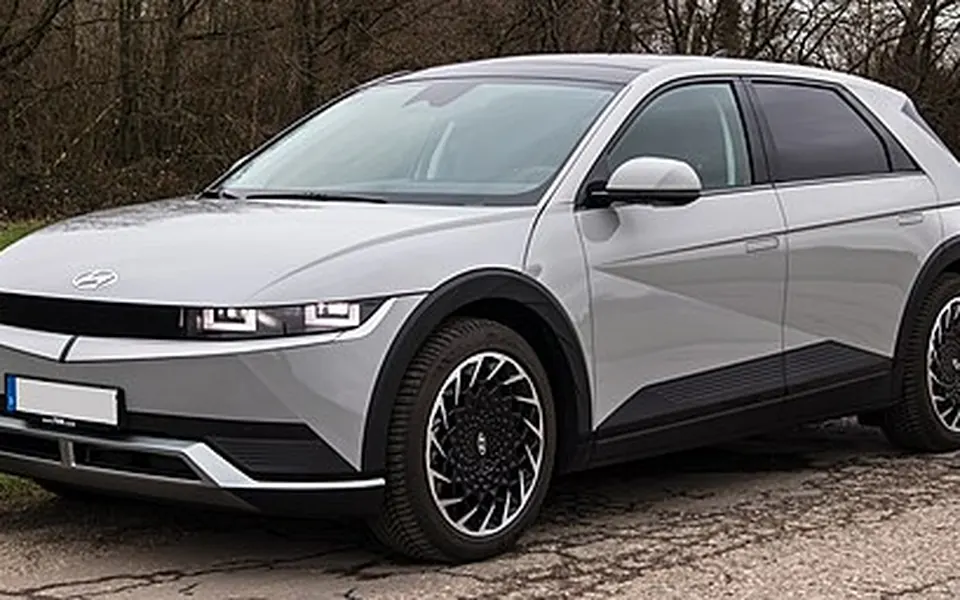
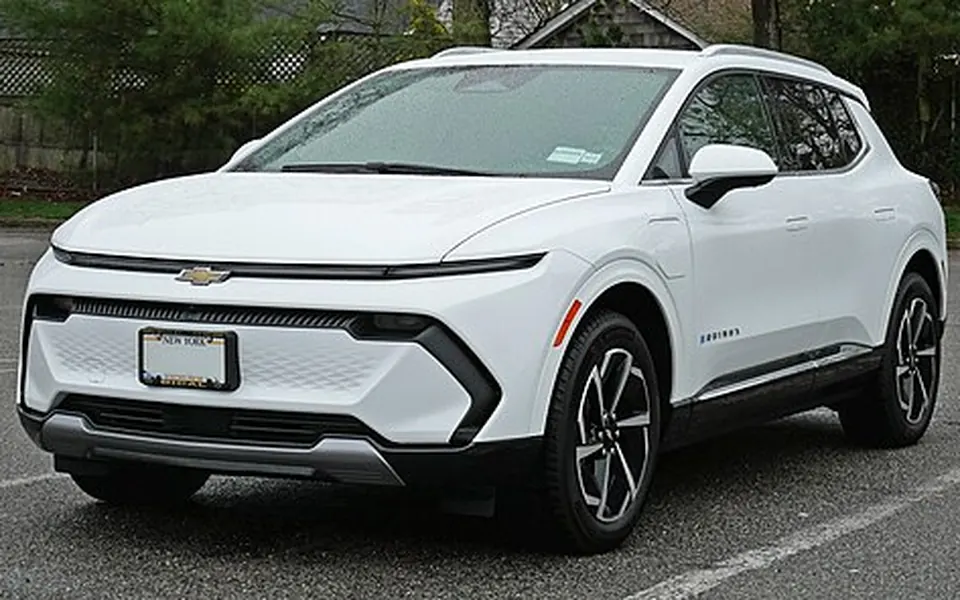
Photo: © M 93 (CC BY-SA 3.0 de), via Wikimedia Commons. It may differ from this trim. All photo credits.
Specs last updated 25 October 2026.